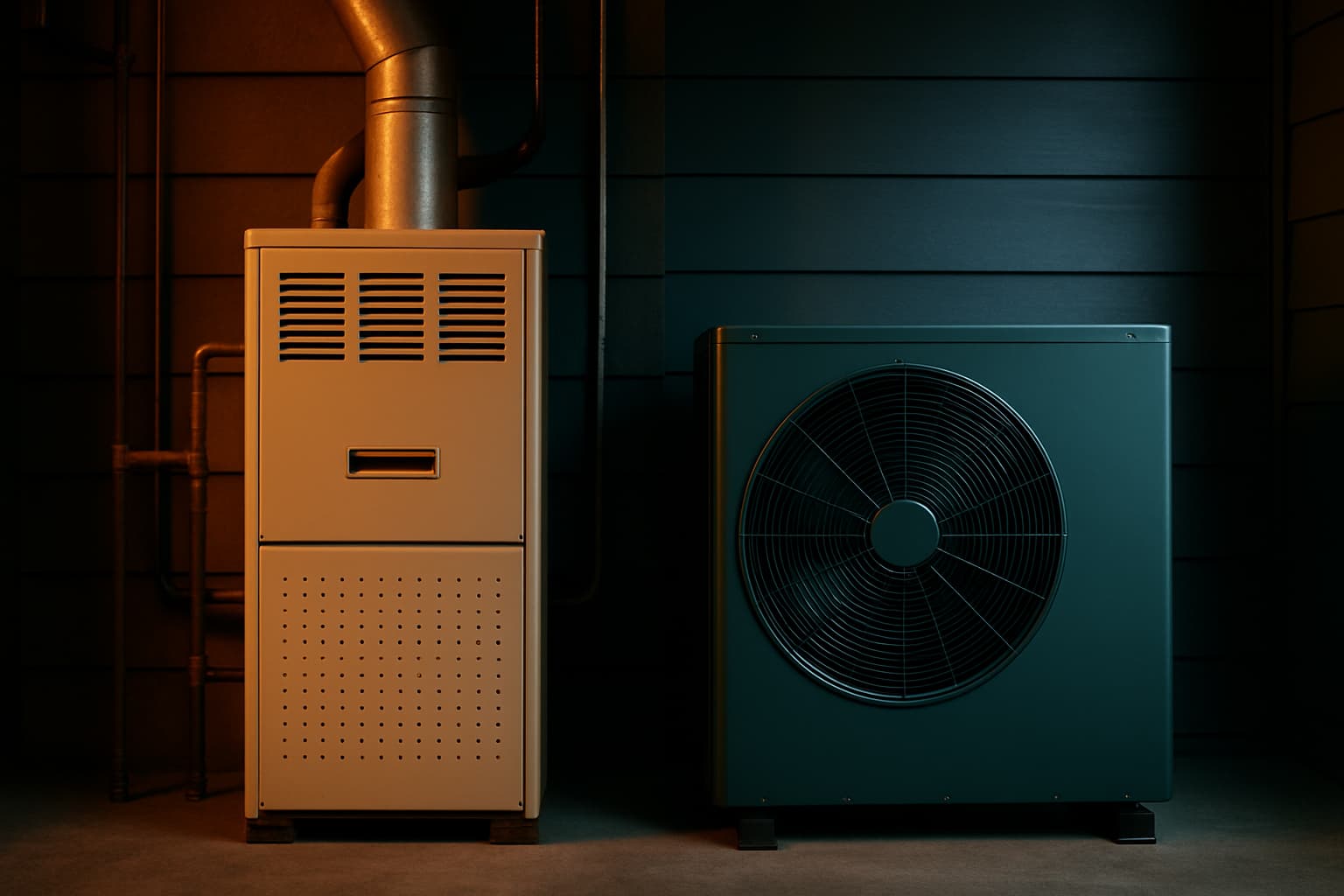
Heat Pump vs Gas Furnace in Oregon: Cost & Efficiency Compared
Heat pumps vs gas furnaces in Oregon: Compare costs, efficiency, and performance for PNW winters. Learn about rebates, Energy Trust incentives, and PGE vs NW Natural savings.
Heat Pump vs Gas Furnace in Oregon: Cost & Efficiency Compared
Oregon's mild but damp winters make heating your home a year-round consideration. If you're deciding between a heat pump and a gas furnace, you're not alone. With rising energy costs, state rebates, and federal incentives, the choice has never been more important-or more confusing.
How Heat Pumps Work in Oregon's Climate
Heat pumps are all-in-one heating and cooling systems that move heat rather than generate it. Even in cold weather, there's heat in the air-heat pumps extract it and transfer it indoors. In summer, they reverse the process to cool your home.
Types of Heat Pumps
| Type | Best For | Pros | Cons | |---------------------|-----------------------------------|-------------------------------------------|-------------------------------------------| | Ducted Air Source | Homes with existing ductwork | Works with central HVAC, efficient | Requires ductwork, higher upfront cost | | Ductless Mini Split | Homes without ductwork, additions | Zoned heating/cooling, no duct losses | Higher cost per BTU, aesthetic concerns | | Hybrid (Dual Fuel) | Coldest climates (e.g., Bend) | Gas backup for extreme cold | More complex, higher maintenance |
Why Heat Pumps Shine in the PNW Oregon's winters are mild compared to the Midwest or Northeast, with average lows in the 30s-40s (°F). Heat pumps are most efficient above 20°F, making them ideal for the Willamette Valley, Portland, and coastal areas. Even in colder regions like Bend or Ashland, cold-climate heat pumps (certified to -15°F) can handle the load without a gas backup.
Heat Pump vs Gas Furnace: Cost Comparison
Upfront Costs (2026)
| System | Cost (Installed) | Oregon Energy Trust Rebate | IRA Tax Credit | Final Cost | |----------------------|------------------------|----------------------------|----------------|----------------| | Ducted Heat Pump | $10,000-$18,000 | $1,000-$1,650 | $2,000 | $6,350-$14,350 | | Ductless Mini Split | $4,000-$8,000 (per zone) | $200-$800 (per unit) | $2,000 | $1,200-$5,200 | | Gas Furnace | $4,000-$8,000 | $200-$500 | $0 | $3,500-$7,300 | | Hybrid System | $12,000-$20,000 | $1,000-$1,650 | $2,000 | $8,350-$16,350 |
Sources: Energy Trust of Oregon, IRS 2026 guidelines, local contractor estimates
Operating Costs: PGE vs NW Natural
Oregon's energy prices are volatile, but here's how they stack up in 2026:
| Energy Source | Cost per Unit (2026) | Avg. Monthly Cost (2,000 sq ft home) | |---------------------|----------------------|--------------------------------------| | PGE Electricity | $0.12-$0.16/kWh | $120-$200 (heat pump) | | NW Natural Gas | $1.10-$1.50/therm | $80-$150 (gas furnace) |
But here's the catch:
- Heat pumps are 2-4x more efficient than gas furnaces. A heat pump with a COP (Coefficient of Performance) of 3.0 delivers 3 units of heat for every 1 unit of electricity.
- Real-world savings: In Portland, homeowners with heat pumps save $300-$800/year on heating costs compared to gas furnaces, even with higher electricity rates.
Oregon and Federal Incentives (2026)
Oregon Energy Trust Rebates
The Energy Trust of Oregon offers rebates for heat pumps installed by approved contractors:
- Ducted Heat Pumps: $1,000-$1,650
- Ductless Mini Splits: $200-$800 per unit
- Heat Pump Water Heaters: $500-$800
Eligibility: Available to PGE and Pacific Power customers. Must use an Energy Trust trade ally contractor.
IRA Heat Pump Tax Credit
The federal heat pump tax credit (Section 25C) expired at the end of 2025 as part of the One Big Beautiful Bill Act. However, Energy Trust of Oregon still offers significant rebates for heat pump installations - up to $1,650 depending on the system. These state-level incentives are stackable with utility rebates from PGE and Pacific Power, meaning you can still save thousands on upfront costs.
Example Savings for a $15,000 Ducted Heat Pump:
- IRA Tax Credit: $2,000
- Energy Trust Rebate: $1,500
- Total Savings: $3,500
- Final Cost: $11,500
Performance in PNW Winters
Heat Pump Myths vs Facts
| Myth | Fact | |-------------------------------|----------------------------------------------------------------------| | Heat pumps don't work in cold weather | Cold-climate heat pumps work efficiently down to -15°F. | | Gas furnaces are always cheaper to run | In mild winters, heat pumps cost less due to higher efficiency. | | Heat pumps are noisy | Modern heat pumps are as quiet as a refrigerator (40-50 decibels). |
When a Gas Furnace Might Make Sense
- You live in a very cold climate (e.g., Bend, La Pine) and already have gas infrastructure.
- Your home has poor insulation or old ductwork.
- You prefer the instant heat of gas (though heat pumps now have auxiliary heat strips for faster warming).
Environmental Impact
- Heat pumps produce no on-site emissions and can be powered by renewable energy (like solar or PGE's Green Future program).
- Gas furnaces burn fossil fuels, contributing to carbon emissions and indoor air pollution.
Oregon's 2035 clean energy goals mean gas infrastructure may become more expensive and less supported over time. Electrifying now future-proofs your home.
Bottom Line
Choose a heat pump if: You want lower operating costs in Oregon's mild winters. You're eligible for significant state and utility rebates. You want both heating and cooling in one system. You're future-proofing your home against rising gas prices and climate regulations.
Stick with a gas furnace if: You live in a very cold climate and already have gas infrastructure. Your home has poor insulation or old ductwork. You prefer instant heat and don't qualify for incentives.
Next Steps
- Get a home energy audit (Energy Trust offers free or discounted audits).
- Contact an Energy Trust trade ally for quotes.
- Apply for Energy Trust and utility rebates before installation.
Ready to make the switch? Contact Electric Cascades for a free consultation and heat pump installation quote.
Last updated: February 5, 2026